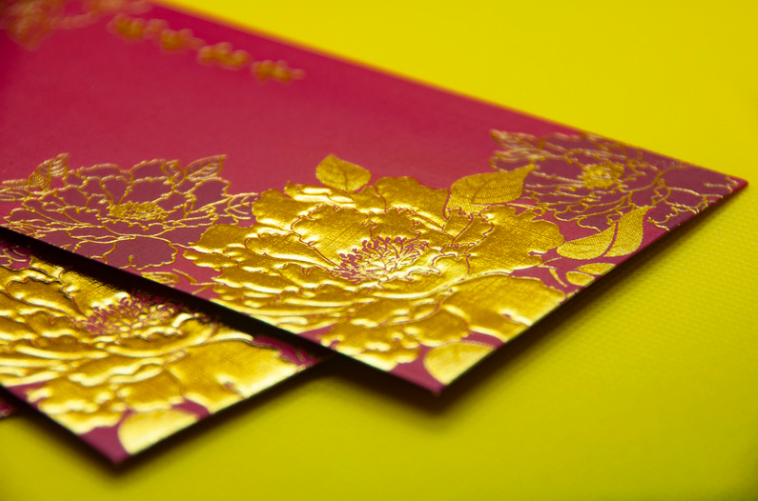
Lunar New Year in Singapore is not only about family gatherings and festive foods; it’s also marked by the beloved tradition of exchanging red packets. These envelopes, filled with money, symbolise good fortune, prosperity, and blessings for the year ahead. In recent years, the designs on red packets have evolved, blending art and tradition to reflect Singapore’s multicultural identity. Let’s explore how red packets have transformed from simple envelopes into artistic expressions of culture.
The Origins of Red Packets
The tradition of giving red packets dates back to the Tang Dynasty in China. According to legend, villagers used red paper to wrap coins to ward off a demon called “Sui,” believed to harm children. The red color, associated with luck, was thought to offer protection. Over time, the practice became a way for elders to bless younger family members during Lunar New Year.
In Singapore, where diverse cultures coexist, the tradition has taken on local influences. Originally, red packets were simple, decorated with gold calligraphy for “fortune” or “luck.” Today, their designs are more intricate, reflecting Singapore’s melting pot of cultures.
Modern Artistry in Red Packet Designs
In recent years, Singapore has seen a transformation in red packet designs. What was once a plain red envelope has turned into a canvas for creativity. Designers now incorporate local elements like the Merlion, orchids, or hawker food icons, making red packets distinctly Singaporean. The rise of unique designs, such as those with Peranakan patterns combining Chinese, Malay, and Western influences, reflects the nation’s multicultural spirit.
Designs have also moved beyond traditional red and gold, experimenting with pastel shades, bold colors, and even metallic finishes. Limited-edition red packets from luxury brands or local artists are now highly sought after, adding an element of exclusivity.
Tradition Meets Sustainability
In an age where sustainability is increasingly emphasised, Singaporean companies are becoming more eco-conscious. Many are opting for recycled paper, vegetable-based inks, and biodegradable materials in red packet production. This shift aligns with the growing interest in reducing waste while maintaining festive traditions.
Bridging Generations Through Art
Red packet designs also serve as a bridge between generations. For older Singaporeans, the exchange of hongbao is a nostalgic ritual that strengthens family bonds. For younger generations, the creative designs offer a modern twist on a beloved tradition. This fusion of the old and new allows the practice to stay relevant while respecting its roots.
Some brands have incorporated traditional Chinese artwork or calligraphy inside the red packets, educating younger recipients about cultural heritage. This approach keeps the tradition alive, adding depth to the modern designs.
The Future of Red Packet Designs
As Singapore continues to evolve, so will the art of red packet design. Designers are now exploring augmented reality (AR) features that can be scanned to reveal animations or personalised messages, blending tradition with technology. This innovation keeps the tradition fresh and exciting for younger generations.
There is also a renewed appreciation for red packets that reflect local culture, history, and values. By combining traditional symbols with modern aesthetics or sustainable materials, designers are ensuring that the red packet remains a meaningful gift in the digital age.
Conclusion
The art and tradition of red packet designs in Singapore beautifully capture the city-state’s essence. Red packets are more than just envelopes; they’re pieces of art that tell stories, celebrate culture, and bring people together. As these designs continue to evolve, they not only preserve cultural heritage but also adapt to the changing times.